How to Launch a Web3 Startup in the UAE (Legally and Securely)
Introduction
Launching a Web3 startup in the UAE comes down to one thing, building something innovative without tripping over the rules. The country is all-in on blockchain, crypto, and digital assets, but it also has some of the strictest compliance frameworks in the region. So the real challenge isn’t the tech, it’s knowing how to set up legally, stay compliant, and protect your users while you grow.
The UAE has rapidly positioned itself as a global leader in blockchain innovation. From Dubai’s AI and Web3 Campus to the Dubai International Financial Centre (DIFC), the region offers a robust infrastructure for Web3 ventures. However, navigating the legal and regulatory landscape is crucial for success. This guide provides a step-by-step approach to launching a Web3 startup in the UAE, ensuring compliance and security.
Step-by-step Approach to Launching a Web3 Startup in the UAE
1. Understanding the Regulatory Framework
The UAE’s regulatory environment for Web3 startups is evolving to foster innovation while ensuring security.
The DIFC enacted the region’s first Digital Assets Law (Law No. 2 of 2024), applicable within the DIFC jurisdiction, which recognises digital assets as property and sets out control and transfer rules.
Additionally, the Dubai Financial Services Authority, DFSA’s crypto token framework applies to firms regulated under DIFC jurisdiction and does not extend to mainland or other free zones such as VARA or ADGM.

2. Choosing the Right Business Setup
In the UAE, Web3 startups can opt for Mainland Business Setup or Free Zone establishment.
Mainland Business Setup
- Mainland setups allow direct operations across the UAE market. Visa quotas and office space requirements depend on activity type and DED guidelines.
Free Zone Setup
- Provides full foreign ownership, tax exemptions, and streamlined procedures.
- Popular free zones for Web3 and tech startups include Dubai Silicon Oasis and Dubai Internet City.
DIFC Innovation Licence
- A subsidised commercial licence tailored for technology and innovation firms.
- Benefits include coworking spaces, discounted visas, and access to a network of investors and mentors.
Entrepreneurs also look at ADGM (Abu Dhabi Global Market), which offers a comprehensive framework for virtual assets under FSRA. While DIFC is popular for fintech and innovation firms, ADGM is equally strong for regulated Web3 and crypto projects.
3. Navigating Financial and Tax Considerations
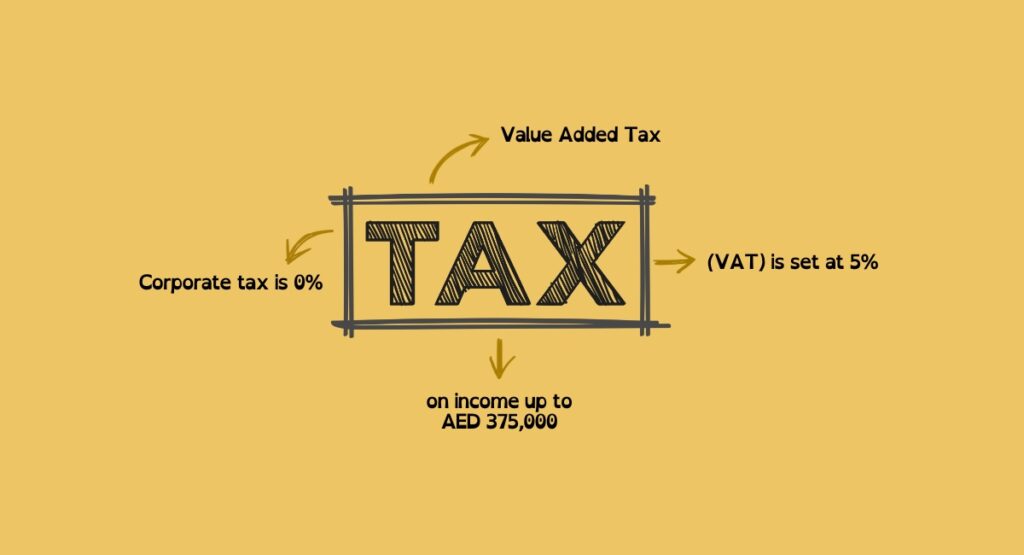
As of 2025, UAE corporate tax applies at 9% above AED 375,000 for taxable income, with exemptions and conditions depending on jurisdiction and activity, per Ministerial Decision 139 of 2023. Free zone companies may still enjoy a 0% tax on qualifying income if they meet specific conditions, which makes choosing the right free zone structure important for Web3 startups.
Value Added Tax (VAT) is set at 5% and applies to most goods and services. Engaging with VAT & Tax Consultancy Services is essential to ensure compliance with these regulations.
Accounting Services and CFO Services play a pivotal role in financial planning, reporting, and ensuring adherence to local tax laws.
4. Securing Necessary Certifications and Licenses
ICV Certification applies primarily to suppliers working with ADNOC or participating government-linked entities. For most Web3 ventures focused on private markets, it’s optional rather than essential.
The DIFC’s AI & Web3 Licence is offered at a subsidized rate (approximately USD 1,500 annually, subject to change) and includes coworking and visa benefits. This licence is designed for startups in AI, blockchain, and Web3, offering coworking spaces, discounted visas, and access to DIFC’s innovation network. This licence offers enhanced flexibility, cost benefits, and opportunities for growth within the DIFC’s dynamic technology and innovation ecosystem.
5. Building a Secure and Compliant Infrastructure

Implementing robust cybersecurity measures is paramount for Web3 startups to protect against potential threats and ensure the integrity of blockchain operations.
Entities in DIFC must comply with the DIFC Data Protection Law No. 5 of 2020, while mainland and other free zone businesses follow the UAE Federal Personal Data Protection Law (Decree-Law No. 45 of 2021). It sets clear rules on how personal data must be collected, processed, and stored to protect individuals’ rights.
Engaging with legal professionals and consultants specializing in data protection can help navigate these complex regulations.
Conclusion
Launching a Web3 startup in the UAE comes with immense opportunities and a supportive ecosystem. Success depends on choosing the right business setup, staying aligned with regulatory requirements, and keeping finances in order.
Local resources like the DIFC’s Innovation Licence and AI & Web3 Licence can give startups a real boost, while professional advice on VAT, tax, and data protection ensures long-term compliance.
For the latest updates, always cross-check regulations on official UAE government portals like u.ae or consult legal and tax advisors before setting up your Web3 business.
FAQs
1. What licenses do I need to start a Web3 company in the UAE?
You’ll need a business license that matches your Web3 activity. If you’re offering blockchain development, you’d typically apply for a “Technology Services” or “Software Development” license. If your project involves crypto-related services, you’ll need approval from a regulator like VARA in Dubai or ADGM’s FSRA in Abu Dhabi. Always confirm with the free zone authority or mainland authority issuing your license.
2. What are the UAE regulations for blockchain and Web3 startups in 2025?
The UAE regulates Web3 through frameworks set by key authorities:
- Dubai VARA (Virtual Assets Regulatory Authority): Oversees virtual asset service providers (VASPs).
- ADGM’s FSRA (Financial Services Regulatory Authority): Handles crypto assets and financial services.
- ESCA (Securities and Commodities Authority): Regulates securities and certain tokenized offerings.
For non-financial blockchain projects (like supply chain, gaming, or smart contracts), rules are lighter, but you still need the right business license.
3. Which UAE free zones are best for starting a Web3 company?
Some free zones have positioned themselves as Web3 and blockchain hubs:
- Dubai Multi Commodities Centre (DMCC Crypto Centre): Popular for crypto and blockchain ventures.
- Dubai International Financial Centre (DIFC): Strong for fintech and regulated financial Web3 projects.
- Abu Dhabi Global Market (ADGM): Known for its crypto asset regulations.
- RAKEZ and IFZA: Budget-friendly options for blockchain development and non-financial Web3 services.
4. Can foreign entrepreneurs own 100% of a Web3 company in the UAE?
Free zones permit 100% ownership. On the mainland, ownership depends on the activity and the Department of Economy and Tourism’s approved list. Free zones like DMCC, DIFC, and ADGM guarantee full ownership, while on the mainland, it depends on the activity listed under the Department of Economy and Tourism (DET) in Dubai or similar authorities in other emirates.
5. How can I ensure my Web3 startup complies with UAE crypto laws?
Start by registering under the right regulator (VARA in Dubai, FSRA in ADGM, or ESCA if applicable). Maintain proper KYC/AML procedures if you’re dealing with tokens, wallets, or exchanges. For blockchain services outside crypto, keep your business activities clearly defined in your license. Regularly check updates from regulators and consult licensed legal or compliance advisors before launching new features.
Note: VARA regulates virtual assets in Dubai (excluding DIFC, which falls under DFSA). If you set up in ADGM, the FSRA applies instead.